Let the light
travel cleanly.
Fine circular marks are especially noticeable in sunlight and on dark paint. Appropriate polishing can reduce their appearance.
03 / Paint correction · Naples, Florida
Swirls, haze and light surface marks can take the depth out of a beautiful finish. Thoughtful polishing brings the paint back into focus.
Explore paint correction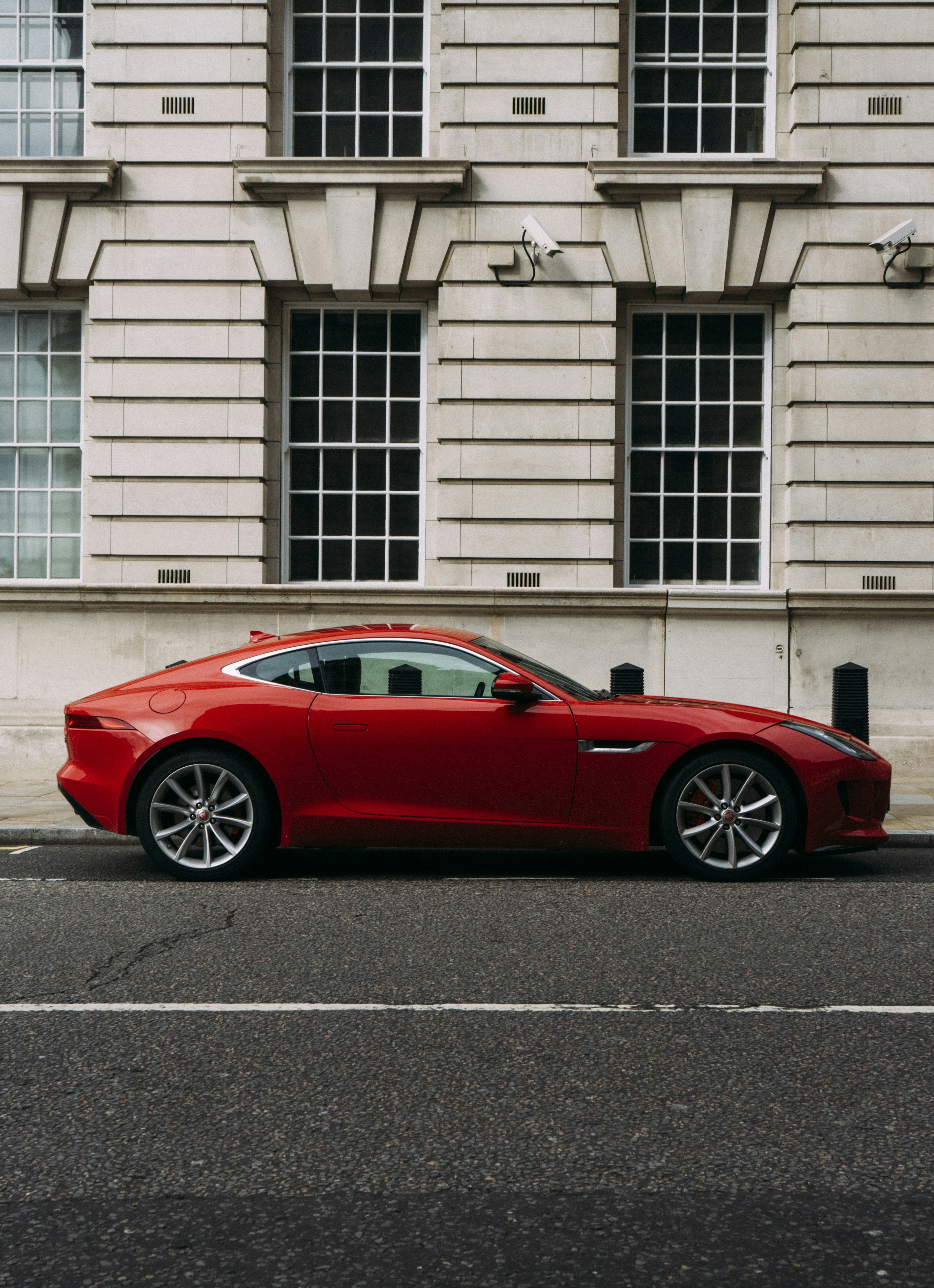
The finish underneath the everyday
Machine polishing refines suitable paint to reduce visible defects and improve clarity. The right approach starts with what your finish can safely support.
Fine circular marks are especially noticeable in sunlight and on dark paint. Appropriate polishing can reduce their appearance.
A finish that looks tired may have more to give. Refining suitable paint can improve its gloss and the clarity of its reflections.
Light scuffs and some surface marks may respond to correction. We assess their depth before deciding what is realistic.
The difference is in the reflection
A closer look at visible swirl reduction. The work is precise. The change is easy to appreciate.

The light makes the difference visible: fewer distracting marks, a more defined reflection and a finish with greater depth.
Reduce the appearance of fine swirls.
Refine haze and improve clarity.
Preserve the paint’s long-term condition.
Some defects are best improved rather than completely removed. The condition of the paint sets the limits of the work.
Find your starting pointLess in the way. More to appreciate.
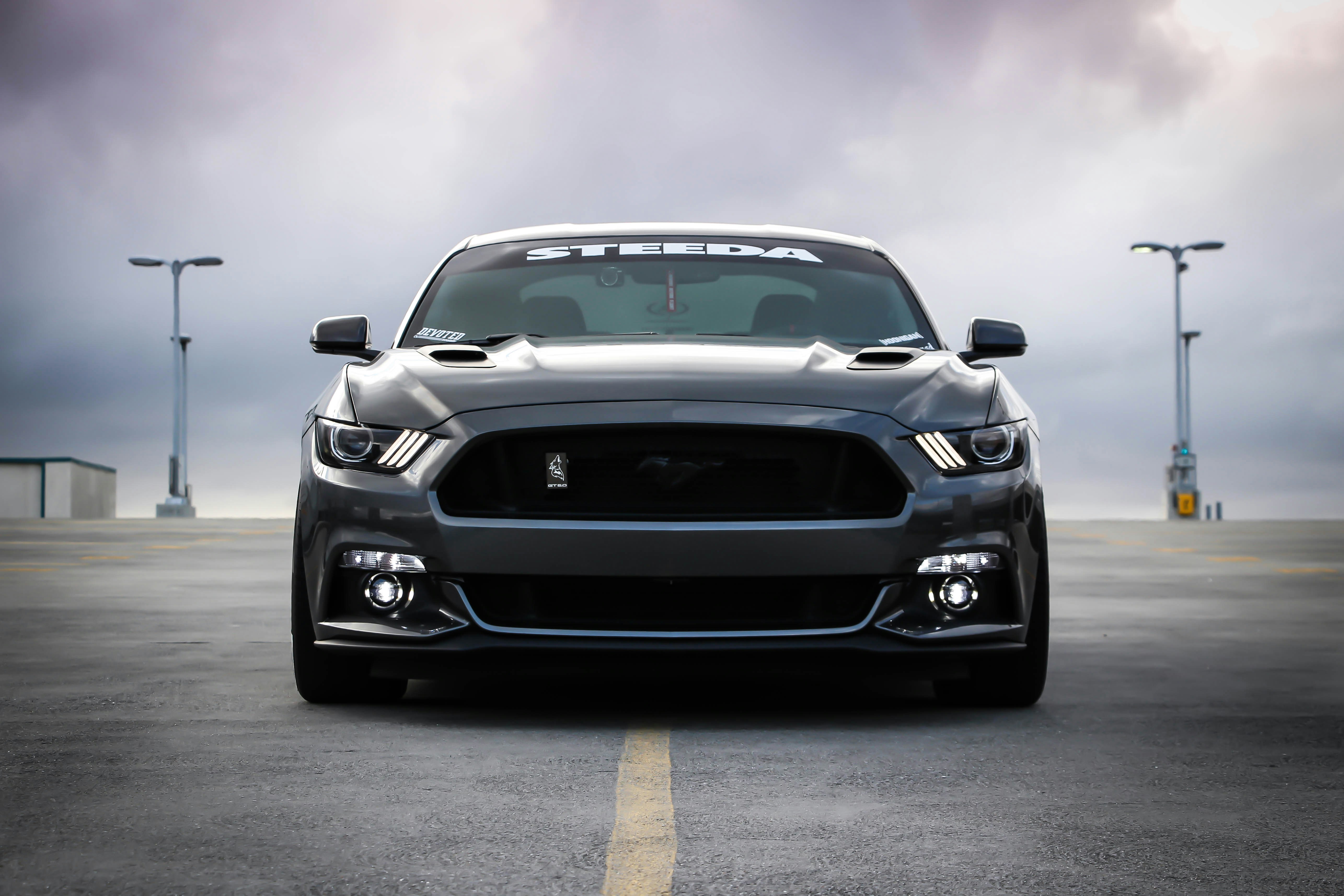
Clarity in every curve.
The right amount of correction
A daily driver and a more demanding finish can need different amounts of work. We agree the approach around your paint and your priorities.
A single polishing stage can be a sensible way to improve gloss and reduce lighter visible defects, when the condition of the paint allows.
Overall clarity, gloss and lighter swirls.
A polishing combination chosen for your paint and checked on a small test area.
A visible refinement with realistic limits. Deeper marks may remain.
More pronounced defects may call for a more involved correction process. We discuss what is appropriate after assessing the paint and the result you want.
More noticeable swirls, haze or selected defects that can be addressed within the paint’s limits.
A tailored process, with additional refinement only where the paint condition supports it.
The scope, likely improvement and price are agreed before work begins.
These are possible approaches, not fixed packages or promised correction percentages. Final recommendations follow the paint assessment.
The finish comes first
Polishing refines the surface through controlled abrasion. The goal is meaningful improvement while respecting the condition and limitations of the finish.
Deep scratches, rock chips, peeling clear coat and damage through the paint may require touch-up or refinishing. We’ll explain what polishing can reasonably achieve before you commit.
A clear plan before we begin
Vehicle size, paint condition and the correction required all shape the work. Send a few photos, and we’ll help you plan the next step.
Pricing is confirmed after reviewing the vehicle and agreeing the scope. Preparation, polishing and the final protection are explained in your quote. Any additional work is discussed in advance.
From a closer look to a clearer finish
Discuss your priorities, inspect the finish and establish a suitable approach. A test area helps set realistic expectations.
Wash and decontaminate, prepare the surrounding trim, then polish with a process suited to the paint and the agreed scope.
Check the result, apply the agreed protection and talk through the care that will help keep the finish looking its best.

Good to know
No. Light defects may respond well, while deeper scratches can remain. Damage through the clear coat, rock chips or a failing finish can require paint repair. We assess the paint before recommending the work.
A wash cleans the surface and wax adds temporary protection. Paint correction uses polishing to refine suitable paint and reduce visible defects. Preparation and final protection are part of the agreed plan.
For some paint and lighter defects, a one-step enhancement may be a sensible choice. A more involved process may be appropriate in other cases. We decide after assessment and agree the scope with you.
That depends on vehicle size, preparation and the level of correction. We’ll explain the expected time and workspace requirements with your quote.
Yes, it can be considered after the paint has been suitably prepared. Coating application is quoted separately and requires a suitable garage, with curing and aftercare confirmed for the selected coating.
Send your location and details of the available workspace. We’ll confirm whether the setting, shelter and lighting are suitable for the planned correction. Ceramic coating, if added, requires indoor application.
Your year, make, model, ZIP code and clear daylight photos of the paint and problem areas. Photos help with an initial discussion; a closer inspection may be needed to confirm the work.